
Yasmin Benoit Makes History, Introducing Asexual Rights to the United Nations
Yasmin Benoit, award-winning British model, activisit, and founder of the This is What Asexual Looks Like movement, introduced asexuality to the United Nations for the first time at the Human Rights Council's 63rd Session in Geneva, Switzlerland. “Asexuality has never been a topic raised at the UN,” Yasmin shared. “In fact, asexuality isn't even a recognized term there.”
The American Psychiatric Association removed Homosexuality from the Diagnostic and Statistical Manual of Mental Disorders in 1973, but asexuality is still not recognized as a sexual orientation in the UK. In the US, recognition varies by state. In many ways, asexual people in these countries are confronting similar medical and institutional misunderstandings that gay people faced in the 1970s.
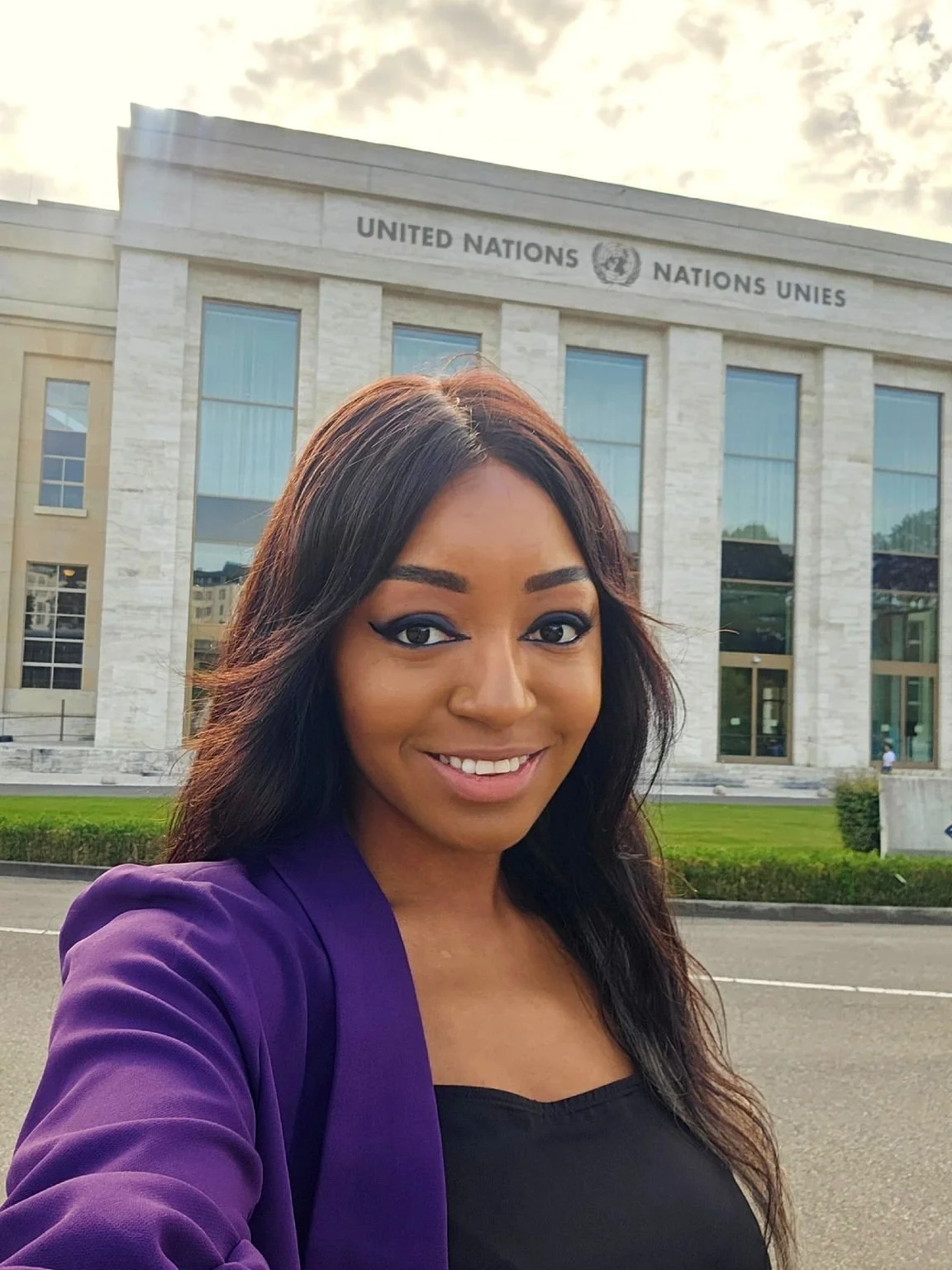
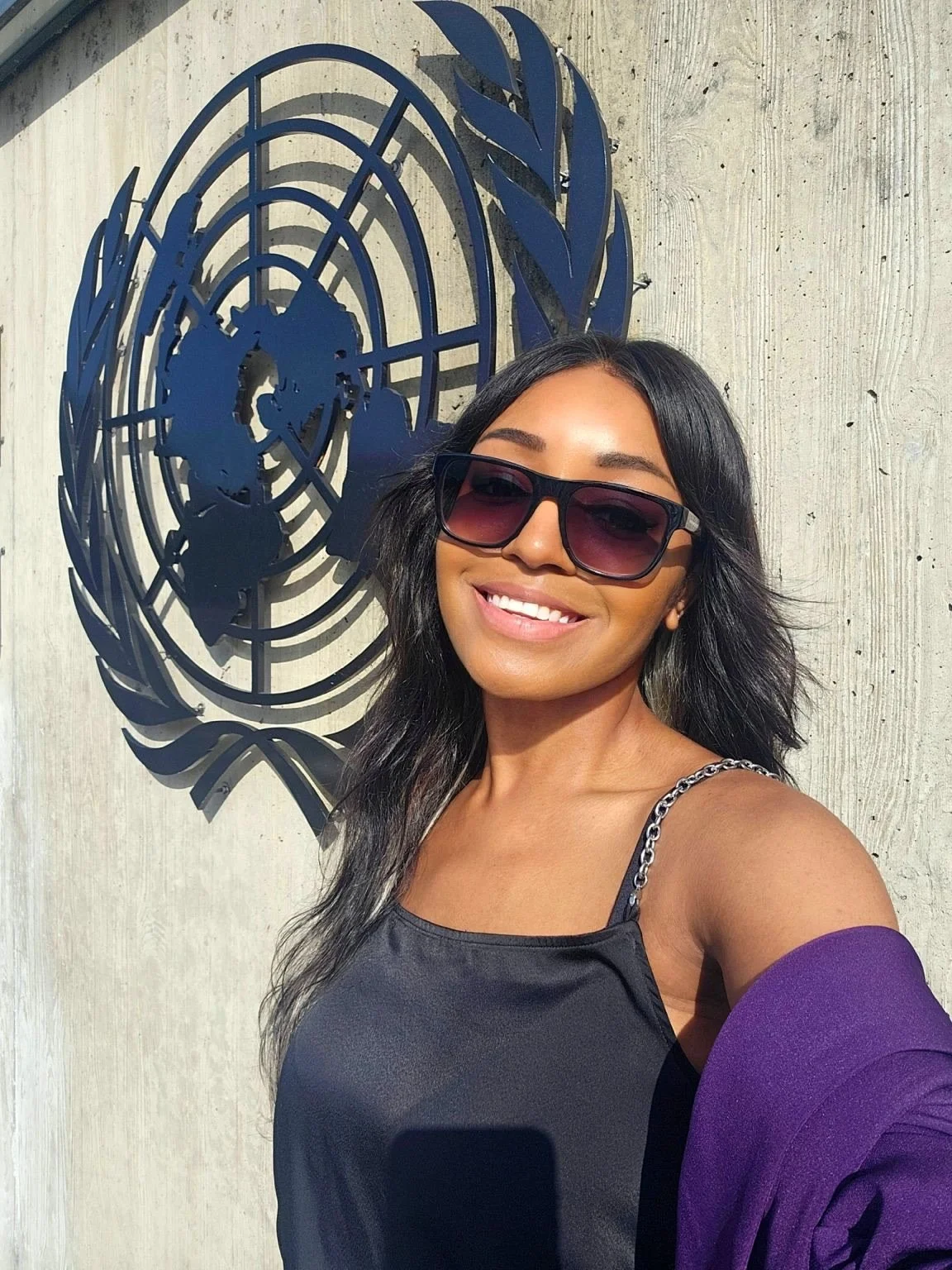
Yasmin Benoit outside the UN building in Geneva, Switzlerland, 2026
“Are you sexually active?” may sound like a routine doctor-patient question during a check-up until “no, I experience little to no sexual desire,” is pathologized and not accepted as a healthy variation of human experience. Despite 1–2% of the population identifying as asexual, this particular sexual orientation is seldom discussed in medical school. Doctors often misinterpret a lack of sexual attraction as a medical or psychological dysfunction, such as Hypoactive Sexual Desire Disorder (HSDD). In Yasmin’s Ace in the UK report with Stonewall, 18.1% of ace respondents said that disclosing their asexuality at the doctor had a negative impact on their care. Respondents reported being forced to take smear tests, and having their asexuality inappropriately assessed as a mental health condition.
“I was 10 years old when I started to wonder if there was something wrong with me.”
Now just 30 years old, Yasmin has been fighting for asexual rights for more than a decade. She came out publicly as asexual while working as a model in 2017 in a personal piece published in Cosmopolitan. “I was 10 years old when I started to wonder if there was something wrong with me. . . At 15, I learned the word asexual,” Yasmin shared in the piece. “It was during yet another analysis session of my sexuality at school. I described myself as not being attracted to men or women for the thousandth time, and someone suggested I might be ‘asexual or something.’ With a quick Google search, I realised I wasn't alone.”
Yasmin launched This is What Asexual Looks Like on Qwear in 2019, building her activism into the largest asexual visibility campaign on the planet. She released the UK's first report into asexual discrimination with the Stonewall Organization and conducted research into asexuality at King's College London's Policy Institute, examining the community’s disproportionate experiences of conversion practices, sexual violence, workplace harassment, and healthcare discrimination.
Throughout her career, Yasmin has had to do more than educate people—she’s had to convince them that this education is necessary in the first place. The unfortunate reality of being an activist for an identity that so many people still haven’t heard of is that organizations don’t think, “Hey, let’s reach out to an asexual activist,” the way they might with other marginalized communities. As a result, the discrimination asexual people face often goes completely ignored.
With years of research on her side, Yasmin reached out to UN officials and diplomats from different member states, including representatives from the Human Rights Office, asking to discuss asexual discrimination and medicalization. “I had no idea how I'd be received or even if people would want to meet with me,” she shared.
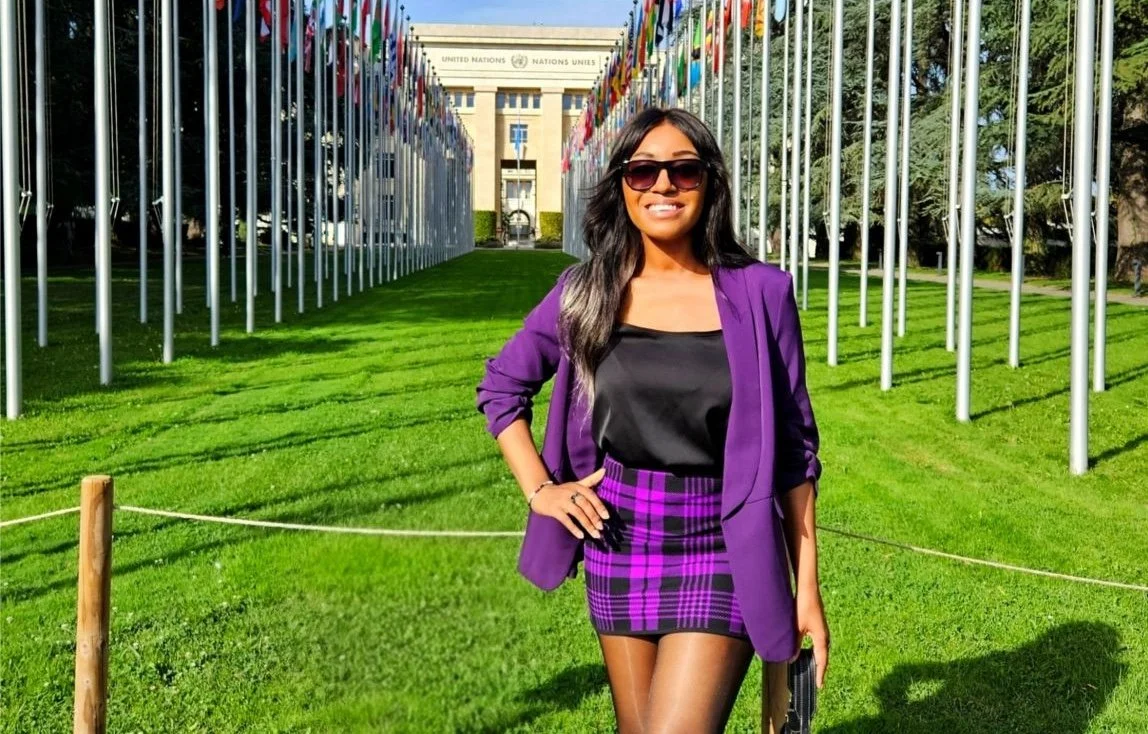
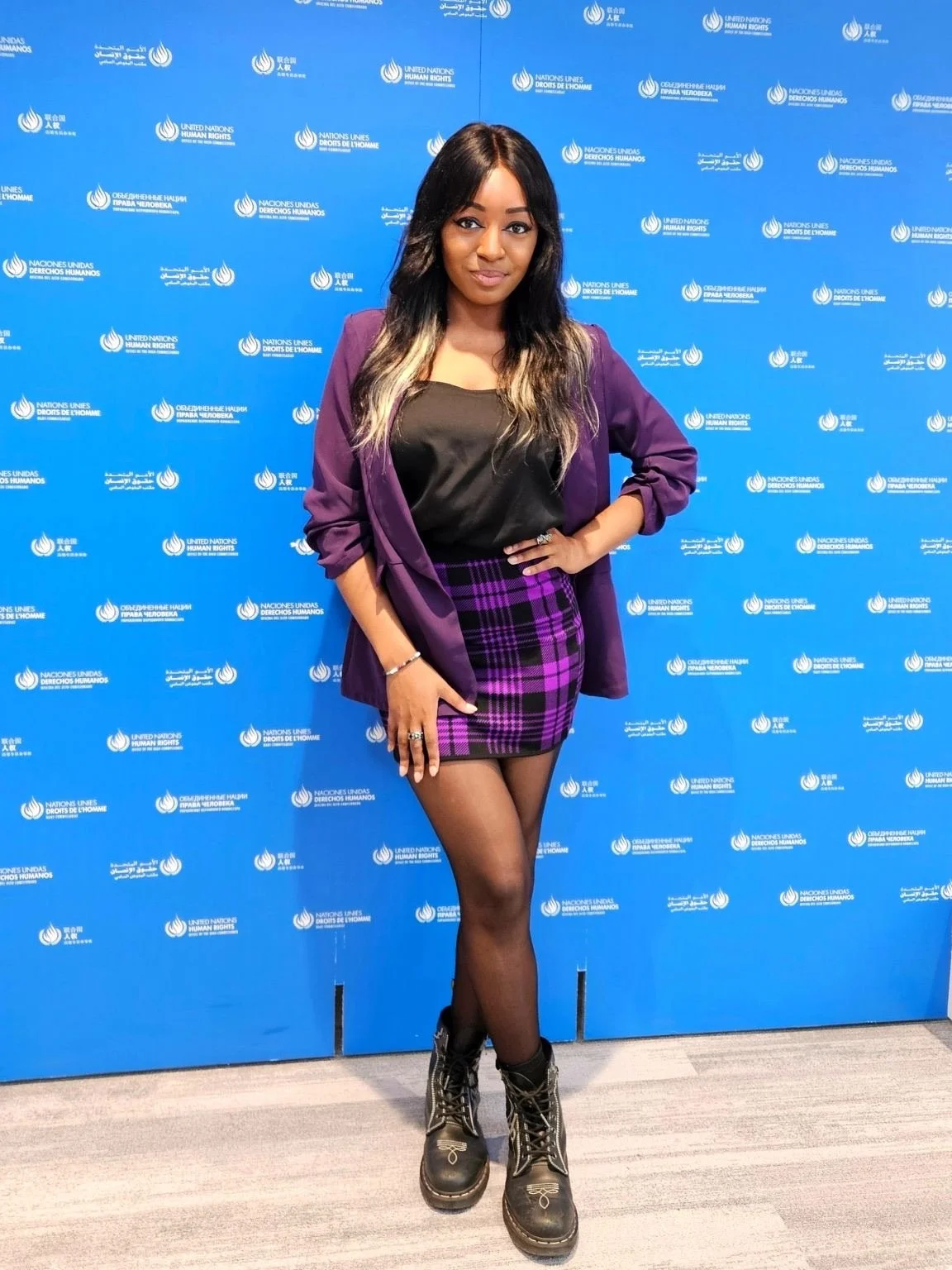
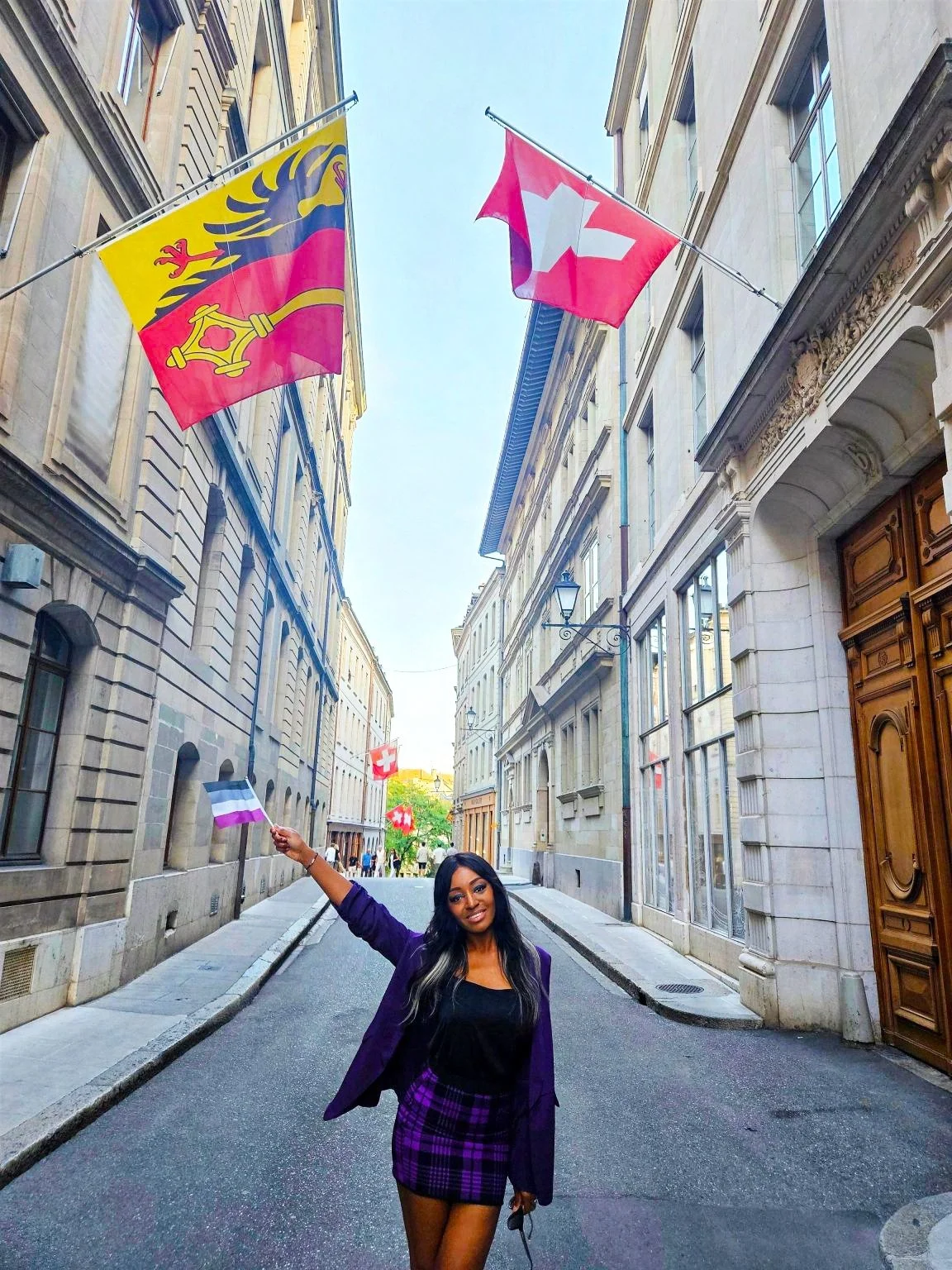
But they were interested. She traveled to the Human Rights Council’s 63rd Session at the Palais des Nations in Geneva, Switzerland, on her own dime, to introduce the concept of asexuality to them for the very first time. “I'm pleased to share that my schedule was full and everyone was really engaged, receptive and that the conversations are continuing!” Yasmin shared.
I'm pleased to share that my schedule was full and everyone was really engaged, receptive and that the conversations are continuing!
She ended with a message of gratitude for the Ace community, and everyone who has supported her: “I couldn't have done this without the allyship and support of specific people within organisations like ILGA World, the FCDO, and Outright International (you all know who you are). And shout out to the Aces in Geneva who helped me to blow off some steam between meetings!”
After more than a decade of educating, researching, organizing, and advocating, Yasmin brought asexuality from an unknown term to a discussion at one of the world’s most important human rights institutions. And the conversations are just beginning.
Support Yasmin’s work directly through her This is What Asexual Looks Like clothing line. Each sale supports her mission to improve conditions for asexual people worldwide.
Support #ThisisWhatAsexualLooks


Share this article
We’re able to do this work thanks to support from our amazing community.
If you love what we do, please consider joining us on Patreon!
Support Us on Patreon
"This is What Asexual Looks Like" Crop Top by Yasmin Benoit.
Product features
- Shoulder tape ensures durability and prevents stretching.
- Double needle stitching for long-lasting wear.
- Relaxed fit with dropped shoulders for ultimate comfort.
- Made from comfortable, high-quality cotton fabric.
- Meets safety compliance standards for peace of mind.
Care instructions
- Machine wash: cold (max 30C or 90F)
- Do not bleach
- Tumble dry: low heat
- Iron, steam or dry: low heat
- Do not dryclean